doi: 10.62827/fb.v27i4.1200
REVIEW
Impact of systemic diseases on respiratory mechanics assessed by impulse oscillometry: An integrative review
Impacto das doenças sistêmicas na mecânica respiratória avaliada pela oscilometria de impulso: Uma revisão integrativa
Stevan Frederico Leonetti Peres1, Eugênia Casella Tavares de Mattos1, Fabio Gava Aoki1
1Federal University of São Paulo (UNIFESP), Institute of Science and Technology, São José dos Campos, SP, Brazil
Received: June 4, 2026; Accepted: June 15, 2026.
Correspondence: Stevan Frederico Leonetti Peres, stevan.leonetti@unifesp.br
How to cite
Peres SFL, Mattos ECT, Aoki FG. Impact of systemic diseases on respiratory mechanics assessed by impulse oscillometry: An integrative review. Fisioter Bras. 2026;27(4):3703-3721 doi: 10.62827/fb.v27i4.1200.
Abstract
Introduction: Systemic diseases that are not primarily pulmonary may affect respiratory mechanics through inflammatory, metabolic, vascular, and mechanical mechanisms, producing functional abnormalities that are not always identified by conventional methods. Objective: To analyze the evidence on the impact of non-respiratory systemic diseases on respiratory mechanics in adults assessed by impulse oscillometry. Methods: This was an integrative literature review, conducted based on a guiding question developed according to population, interest, and context. The search was performed in PubMed, Scientific Electronic Library Online (SciELO), and Latin American and Caribbean Health Sciences Literature (LILACS), considering original studies published in the last fifteen years, in Portuguese, English, or Spanish, with full text available. Studies involving adults with systemic diseases that are not primarily pulmonary, in which respiratory mechanics were assessed by impulse oscillometry, were included. Study selection was performed by title and abstract screening, followed by full-text assessment. Data were extracted and synthesized descriptively. Results: A total of 117 records were identified, of which ten studies composed the final sample. Observational studies predominated, with a greater concentration on obesity and excess weight, in addition to metabolic syndrome, systemic arterial hypertension, pulmonary arterial hypertension, systemic sclerosis, and hepatic steatosis. The findings showed a predominance of resistive abnormalities, accompanied by signs of ventilatory heterogeneity and possible distal involvement, including individuals with preserved spirometry. Conclusion: Non-pulmonary systemic diseases may affect respiratory mechanics in adults, and impulse oscillometry constitutes a sensitive complementary tool for detecting subclinical functional alterations in respiratory mechanics.
Keywords: Oscillometry; Respiratory Mechanics; Obesity; Metabolic Syndrome; Hypertension.
Resumo
Introdução: Doenças sistêmicas não primariamente pulmonares podem repercutir sobre a mecânica respiratória por mecanismos inflamatórios, metabólicos, vasculares e mecânicos, produzindo alterações funcionais nem sempre identificadas por métodos convencionais. Objetivo: Analisou-se as evidências sobre o impacto de doenças sistêmicas não respiratórias na mecânica respiratória de adultos avaliada pela oscilometria de impulso. Métodos: Revisão integrativa da literatura, conduzida a partir de pergunta norteadora elaborada segundo população, interesse e contexto. A busca foi realizada nas bases PubMed, Scientific Electronic Library Online (SciELO) e Literatura Latino-Americana e do Caribe em Ciências da Saúde (LILACS), considerando estudos originais publicados nos últimos quinze anos, em português, inglês ou espanhol, com texto completo disponível. Foram incluídos estudos com adultos com doenças sistêmicas não primariamente pulmonares, nos quais a mecânica respiratória foi avaliada por oscilometria de impulso. A seleção ocorreu por leitura de títulos e resumos, seguida da avaliação dos textos completos. Os dados foram extraídos e sintetizados de forma descritiva. Resultados: Foram identificados 117 registros, dos quais dez estudos compuseram a amostra final. Predominaram estudos observacionais, com maior concentração em obesidade e excesso de peso, além de síndrome metabólica, hipertensão arterial sistêmica, hipertensão arterial pulmonar, esclerose sistêmica e esteatose hepática. Os achados evidenciaram predomínio de alterações resistivas, acompanhadas por sinais de heterogeneidade ventilatória e possível acometimento distal, inclusive em indivíduos com espirometria preservada. Conclusão: Doenças sistêmicas não pulmonares podem repercutir na mecânica respiratória de adultos, e a oscilometria de impulso constitui ferramenta complementar sensível para a detecção de alterações funcionais respiratórias subclínicas.
Palavras-chave: Oscilometria; Mecânica Respiratória; Obesidade; Síndrome Metabólica; Hipertensão Arterial Sistêmica.
Introduction
Chronic systemic diseases represent one of the main challenges for public health, both due to the magnitude of their occurrence and the impact they exert on healthcare systems. According to the World Health Organization, noncommunicable diseases were responsible for at least 43 million deaths in 2021, corresponding to approximately 75% of global deaths not related to the pandemic. This group includes cardiovascular diseases, cancer, diabetes, and other highly prevalent chronic conditions with important functional repercussions, in which metabolic factors widely disseminated in the population, such as overweight, obesity, and diabetes, contribute to increased morbidity, healthcare demand, and clinical complexity in these individuals, reinforcing the need for approaches that consider their systemic repercussions in an integrated manner [1].
Although traditionally analyzed based on their cardiovascular, metabolic, rheumatologic, or multiorgan outcomes, these diseases may also affect the respiratory system. This relationship is biologically plausible, since systemic alterations may interfere with respiratory mechanics through different mechanisms, such as low-grade chronic inflammation, microvascular changes, tissue remodeling, changes in respiratory system compliance, reduced lung volumes, and small airway heterogeneity. In some conditions, such as obesity, increased load on the chest wall, reduced lung volumes, and increased respiratory resistance have already been described. This set of alterations suggests that systemic diseases, even when not primarily pulmonary, may produce clinically relevant functional respiratory changes [2].
In this context, Impulse Oscillometry System (IOS) stands out as a promising tool for investigating these alterations. The method allows the assessment of the mechanical properties of the respiratory system during tidal breathing, through the application of pressure oscillations to the airway and the analysis of respiratory system impedance. Because it does not require forced maneuvers and demands less cooperation from the individual being evaluated, IOS has operational and clinical advantages over traditional pulmonary function tests, in addition to enabling the identification of subtle changes in respiratory mechanics. Its conceptual basis includes the analysis of respiratory impedance, composed of resistance and reactance, which allows an integrated characterization of the mechanical behavior of the respiratory system [3,4].
Among the parameters used, resistance at 5 Hz (R5) is usually interpreted as an estimate of total airway resistance, whereas resistance at 20 Hz (R20) predominantly reflects more central components. The difference between R5 and R20 (R5-R20), in turn, has been used as an indicator of the frequency dependence of resistance and, indirectly, of peripheral involvement or ventilatory heterogeneity. Reactance at 5 Hz (X5) provides information related to the elastic properties of the respiratory system, while resonant frequency (Fres) corresponds to the point at which capacitive reactance is canceled out by inertive reactance, and the reactance area (AX) expresses the overall magnitude of reactive changes at low frequencies. Together, these markers expand the ability to detect and characterize functional alterations that may remain less evident on spirometry, especially in early stages or in contexts of distal airway involvement [3,4].
Given the high global burden of systemic diseases, the biological plausibility of their repercussions on respiratory mechanics, and the potential of IOS to detect functional alterations during quiet breathing, it becomes relevant to critically synthesize the available knowledge on this interface. Therefore, this integrative review aimed to analyze the evidence regarding the impact of systemic diseases on respiratory mechanics in adults assessed by IOS.
Methods
This is an integrative literature review, conducted based on previously defined stages: development of the guiding question, establishment of eligibility criteria, bibliographic search, study selection, data extraction, and synthesis of
findings.
The guiding question of the review was formulated based on the PICo model (Population, Interest, Context), considering adults aged 18 years or older as the population, changes in respiratory mechanics assessed by IOS as the phenomenon of interest, and non-respiratory systemic diseases as the context. Thus, the following question was defined: what is the evidence on the impact of non-respiratory systemic diseases on respiratory mechanics in adults assessed by IOS?
The search was conducted in the PubMed, SciELO, and LILACS databases, including studies published in the last 15 years. Terms related to IOS, the adult population, respiratory mechanics/pulmonary function, and systemic diseases were used, with linguistic adaptation according to the database searched.
In PubMed, the search descriptors used were: (Impulse Oscillometry OR IOS) AND (adult OR adults) AND (respiratory mechanics OR lung function OR pulmonary function tests) AND (systemic disease OR systemic diseases OR hypertension OR diabetes OR obesity OR metabolic syndrome OR cardiovascular disease OR chronic kidney disease OR autoimmune OR systemic inflammation).
In the SciELO and LILACS databases, the following strategy in Portuguese was used: (oscilometria de impulso OR IOS) AND (adulto OR adultos) AND (mecânica respiratória OR função pulmonar OR testes de função pulmonar) AND (doença sistêmica OR doenças sistêmicas OR hipertensão OR diabetes OR obesidade OR síndrome metabólica OR doença cardiovascular OR doença renal crônica OR autoimune OR inflamação sistêmica).
Original studies in Portuguese, English, or Spanish, with full text available, were included if they used IOS to assess respiratory mechanics or pulmonary function in adult individuals with systemic diseases that were not primarily pulmonary, including metabolic, cardiovascular, inflammatory, or immune-mediated conditions with potential repercussions on the respiratory system.
Studies involving pediatric populations, studies that did not use IOS, studies focused exclusively on primary pulmonary diseases or on conditions not compatible with the conceptual scope of the review, defined as non-respiratory systemic diseases in adults, as well as reviews, editorials, letters, conference abstracts, theses, dissertations, duplicates, and articles without access to the full text were excluded.
Study selection occurred in two stages: reading of titles and abstracts, followed by full-text assessment of potentially eligible articles. Data extraction was performed using a standardized form containing authors, year and country of publication, methodological design, population characteristics, systemic disease investigated, IOS parameters used, and main results related to respiratory mechanics.
Data were extracted and synthesized descriptively. The included studies were organized according to the type of systemic disease investigated and the patterns of respiratory mechanics alterations identified by IOS, seeking to identify convergences, divergences, and knowledge gaps.
Results
The bibliographic search resulted in the identification of 117 records. After the removal of 19 duplicates, 98 records were screened by title and abstract, during which 81 were excluded for not meeting the eligibility criteria. From this process, 17 articles proceeded to full-text reading, with no exclusions due to full-text unavailability. At this stage, 7 studies were excluded because they were outside the scope of the review: five addressed obstructive sleep apnea as the primary condition, and two investigated congenital heart diseases or specific structural cardiac abnormalities, conditions that did not correspond to the framework defined for this review, which focused on non-respiratory systemic diseases in adults. In the end, 10 studies composed the sample of this review (Figure 1).
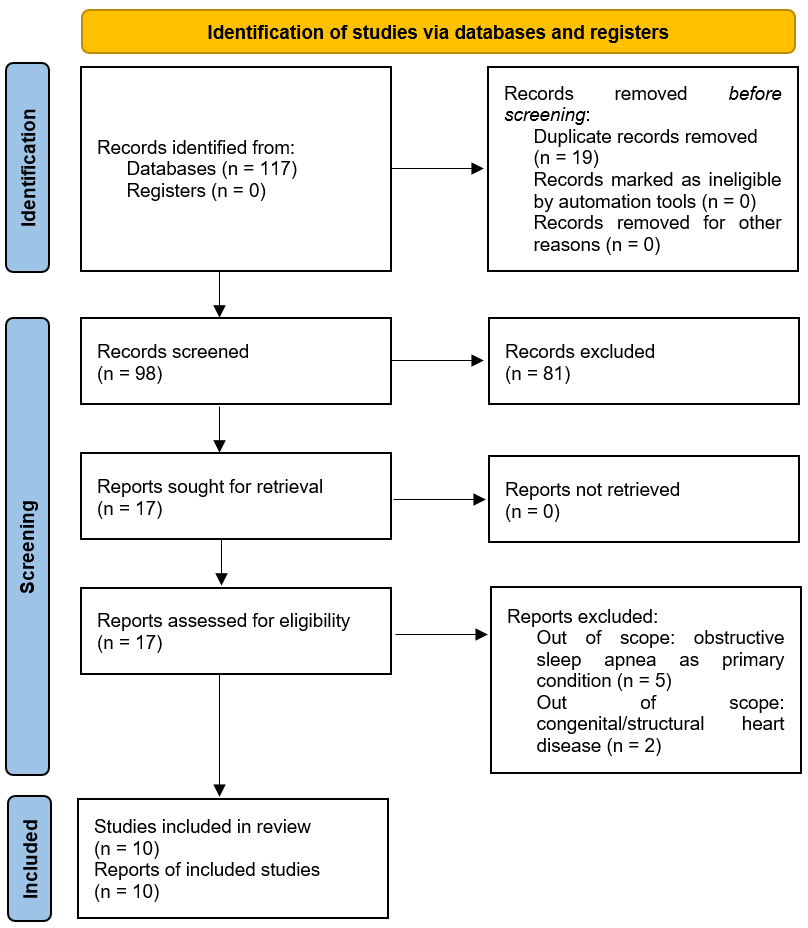
Figure 1 – Flow diagram of the study identification, screening, eligibility, and inclusion process.
Source: Prepared by the authors according to PRISMA 2020 [5].
The included studies were published between 2012 and 2024, with a predominance of observational designs. There was a concentration of investigations on obesity/overweight [6–10], whereas metabolic syndrome [11], systemic arterial hypertension [12], pulmonary arterial hypertension [13], systemic sclerosis [14], and hepatic steatosis [15] were addressed more specifically.
Regarding the parameters analyzed, the included studies reported resistive and reactive IOS measures, including R5, R20, R5-R20, X5, Fres, and AX. The reported findings indicated a predominance of resistive alterations, with increased R5, R20, and R5-R20, in addition to changes in reactive parameters, such as X5, AX, and Fres, across different systemic conditions [6–15]. In some studies, these alterations were observed even in samples with preserved spirometry, indicating that IOS identified functional changes not evidenced by conventional pulmonary function tests [6–10,15].
Table 1 summarizes the systemic conditions, methodological characteristics, populations studied, IOS parameters reported, and main results related to respiratory mechanics in the included studies.
Table 1 – Characteristics of the included studies
|
Systemic disease |
Methodological design |
Characteristics of |
IOS |
Main results related to |
|
Morbid obesity (pre-/post-bariatric surgery) [6] |
Pre-post longitudinal study (retrospective cohort; bariatric surgery; ≥20% body weight loss) |
Preoperative cohort n=342; reassessed after ≥20% weight loss n=75; final analysis n=47 with normal baseline spirometry and complete data (FEV1/FVC ≥77%). n=47: 98% women; age 39±10 years; BMI 44±6.2 to 32±4.7 kg/m²; follow-up 263±188 days; EWL 57±15% |
R20, R5-R20, X5; SGrs20 = (1/R20)/FRC |
Despite normal spirometry, preoperative IOS showed frequent abnormalities (87%). After ≥20% weight loss, R20 and R5-R20 decreased and X5 became less negative, with increased FRC/ERV. SGrs20 remained normal and unchanged, suggesting that the elevated resistance was predominantly explained by low lung volume and improved with FRC recovery |
|
Obesity [7] |
Cross-sectional observational study + within-subject physiological maneuver (FRC vs elevated EELV) + bronchodilator test |
Non-smoking individuals with obesity, candidates for bariatric surgery; n=100 (90% women), age 42±12 years, BMI 44±6 kg/m²; normal spirometry (FEV1 and VC ≥80% predicted; FEV1/VC ≥77%). Baseline IOS: n=94; analyzable EELV elevation maneuver: n=71 (ΔEELV +0.90±0.41 L; EELV ~93±3% of predicted FRC) |
R5, R20, R5-R20, X5, Fres, AX; SGrs20 (from R20 adjusted to EELV). Baseline assessment and assessment with elevated EELV; bronchodilator responsiveness (controlled EELV) |
Individuals with obesity and normal spirometry showed abnormal baseline IOS (R5, R20, R5-R20, X5, AX, Fres). When EELV was increased, R20 decreased toward normal and SGrs20 remained normal/unchanged, supporting a low-volume effect. R5-R20 decreased, but frequently remained abnormal even with EELV ≥80% of predicted FRC, suggesting an additional distal component. The bronchodilator reduced R5-R20 at baseline FRC, but not during elevated EELV, indicating no responsiveness under controlled-volume conditions |
|
Obesity [8] |
Cross-sectional observational study |
Adults aged 18–60 years; recruited n=99; final sample n=85 (n=14 excluded due to inability to perform spirometry). Groups by BMI: control <30 (n=31), 30–39.9 (n=13), 40–49.9 (n=28), ≥50 (n=13) |
R5, R20, X5, Fres; Rperiph = R5-R20 |
BMI ≥40: increased R5, R5-R20, and Fres, with reduced X5 compared with groups with lower BMI; spirometry may remain normal, but IOS detects alterations, especially peripheral small airway changes |
|
Overweight/obesity [9] |
Cross-sectional observational study |
Adults aged 23–69 years; n=34. Groups: normal BMI n=19 (18.5–24.99) vs overweight/obesity n=15 (BMI ≥25; overweight n=7, obesity n=8; grouped). No respiratory disease; normal spirometry. |
Whole-breath: R5, R20, X5, X20, R5-R20, X5-X20, Fres, AX. Within-breath: R5in/R5ex, X5in/X5ex; ΔR5 and ΔX5. |
Overweight/obesity vs normal BMI: increased R5, R20, and R5-R20, with increased Fres and AX; reduced X20 and a trend for X5. Within-breath: higher R5in/R5ex, with no difference in ΔR5/ΔX5, indicating no evidence of EFL. Parameters correlated with fat mass/body fat percentage; IOS detected alterations not captured by spirometry |
|
Class III obesity [10] |
Cross-sectional observational study |
MO n=50 (BMI ≥40) vs NOB n=30 (BMI 18–30); age 40.0±10.4 vs 37.6±11.5 years; women 79% vs 70%; BMI 50.7±8.9 vs 23.2±2.2 kg/m² |
R5, R20, X5 (insp/exp/mean), f0, AX; derived parameters: R0, Rm, Rperiph (R5-R20), RT (R5-Rm), dR/dF; EFL: ΔX5 (X5insp-X5exp) |
MO vs NOB: increased total resistance (R0, R5), central resistance (R20), mean resistance (Rm), Rperiph (R5-R20, dR/dF), and tissue resistance (RT=R5-Rm); changes in X5 and AX compatible with greater elastance/lower compliance and peripheral involvement; no EFL (ΔX5) in the seated position |
|
Metabolic syndrome [11] |
Cross-sectional observational study |
Older adults ≥60 years; MS n=77 vs without MS n=77 (screening n=807); age 68±3 vs 67±3 years; sex (M/F) 26/51 vs 21/56 |
R5, R20, R5-R20, X5, Rcentral, Rperiph |
MS vs without MS: increased resistance values (R5, R20, R5-R20, Rcentral, Rperiph) and worse reactance (X5); overall findings suggest worse respiratory mechanics involving the airways and tissue compartment in older adults with MS |
|
Systemic arterial hypertension [12] |
Cross-sectional observational study |
Older adults ≥60 years, both sexes; included n=731: hypertensive n=445 vs non-hypertensive n=286; mean age 69.88±2.8 years. Subanalysis (IPAQ): n=461, groups PIH 182, AH 110, PINH 104, ANH 65 |
R5, R20, R5-R20, X5, Z5 (pre-/post-BD) |
Hypertensive vs non-hypertensive individuals: increased R5, R20, and R5-R20 (p<0.01 to <0.001) and difference in X5 (p<0.001), with no difference in Z5; physical inactivity was associated with worse mechanics, whereas physical activity attenuated the impairments. |
|
Pulmonary arterial hypertension: IPAH and MCTD-PH [13] |
Retrospective observational study |
PAH n=132: IPAH n=54 vs MCTD-PH n=78; age 42.0±14.2 vs 44.3±14.0 years; BMI 23.8±3.5 vs 22.6±3.4 kg/m²; sex (M/F) 19/35 vs 3/75. Severity: WHO-FC I-II vs III-IV |
R5, R20, X5, R5%, R20% |
IPAH vs MCTD-PH: R5, R20, and R20% were lower in IPAH, suggesting greater airway resistance in MCTD-PH. In severe MCTD-PH (WHO-FC III-IV), FeNO was negatively correlated with R20%; no FeNO-IOS correlations were observed in IPAH. |
|
Systemic sclerosis [14] |
Case-control study |
SSc n=93 (age 57.1±14.4; women/men 79/14; lcSSc 69, dcSSc 24) vs controls n=94 (55.4±13.3; 79/15), matched by age and sex; controls without respiratory disease |
R5, R20, R5-R20, X5, Fres, AX |
SSc vs controls: higher prevalence of small airway dysfunction (R5-R20 ≥0.07) (21.5% vs 5.4%; adjusted OR 5.3) and higher R5-R20 and AX. Trend toward higher frequency in lcSSc and association with duration >3 years. R5-R20/AX correlated with worse SGRQ and lower FEV1%/FVC%, with no association with DLco. HRCT suggested small airway signs in ~25%; IOS/HRCT: ~37% with at least one finding. |
|
Hepatic steatosis (CT diagnosis; [L/S]) [15] |
Retrospective observational study (2018–2019) with 1:1 propensity score matching (age and ALT >40) between steatosis vs no steatosis |
Screening n=5,395; analysis n=1,391 (chest/abdominal CT + IOS). CT-defined steatosis: 169 (12.1%). 1:1 matching (age and ALT >40): 169 with steatosis vs 169 without steatosis (n=338). After matching: men 56.2% vs 50.9%; higher BMI in the steatosis group (26.7 vs 24.3 kg/m²). Spirometry generally preserved (FVC% and FEV1%) |
R5, R20, and R5-R20 (main outcome); “High R5-R20” classification (above the study median) |
After matching, steatosis was associated with a higher prevalence of elevated R5-R20 (“High R5-R20”: 52.7% vs 40.2%); median R5-R20 was slightly higher, with a trend. In the steatosis group, age and an inflammatory profile characterized by elevated NLR / reduced LMR were independently associated with elevated R5-R20. |
Legend: FEV1/FVC, ratio between forced expiratory volume in the first second and forced vital capacity; BMI, body mass index; EWL, excess weight loss; R20, respiratory resistance at 20 Hz; R5-R20, difference between respiratory resistance at 5 and 20 Hz; X5, respiratory reactance at 5 Hz; SGrs20, specific conductance of the respiratory system at 20 Hz; FRC, functional residual capacity; IOS, impulse oscillometry; ERV, expiratory reserve volume; EELV, end-expiratory lung volume; FEV1, forced expiratory volume in the first second; VC, vital capacity; ΔEELV, change in end-expiratory lung volume; R5, respiratory resistance at 5 Hz; Fres, resonant frequency; AX, reactance area; Rperiph, peripheral resistance; X20, respiratory reactance at 20 Hz; X5-X20, difference between reactance at 5 and 20 Hz; R5in/R5ex, inspiratory/expiratory R5; X5in/X5ex, inspiratory/expiratory X5; ΔR5, change in R5; ΔX5, change in X5; X5insp-X5exp, inspiratory X5 minus expiratory X5; EFL, expiratory flow limitation; MO, morbid obesity; NOB, non-obese; M/F, male/female; insp/exp/mean, inspiratory/expiratory/mean; f0, resonant frequency; R0, resistance extrapolated to 0 Hz; Rm, mean resistance; RT, tissue resistance; dR/dF, frequency dependence of resistance; MS, metabolic syndrome; Rcentral, central resistance; IPAQ, International Physical Activity Questionnaire; PIH, physically inactive hypertensive individuals; AH, physically active hypertensive individuals; PINH, physically inactive non-hypertensive individuals; ANH, physically active non-hypertensive individuals; Z5, respiratory impedance at 5 Hz; BD, bronchodilator; PAH, pulmonary arterial hypertension; IPAH, idiopathic pulmonary arterial hypertension; MCTD-PH, pulmonary hypertension associated with mixed connective tissue disease; WHO-FC, World Health Organization functional class; R5% and R20%, percentage values of R5 and R20, assumed to represent percentages of predicted/reference values (calculation method not specified in reference [13]); FeNO, fractional exhaled nitric oxide; SSc, systemic sclerosis; lcSSc, limited cutaneous systemic sclerosis; dcSSc, diffuse cutaneous systemic sclerosis; OR, odds ratio; SGRQ, St George’s Respiratory Questionnaire; DLco, diffusing capacity of the lung for carbon monoxide; HRCT, high-resolution computed tomography; CT, computed tomography; L/S, liver-to-spleen ratio; ALT, alanine aminotransferase; FVC% and FEV1%, percentage values of forced vital capacity and forced expiratory volume in the first second; NLR, neutrophil-to-lymphocyte ratio; LMR, lymphocyte-to-monocyte ratio.
Source: Prepared by the authors.
Discussion
Obesity and overweight corresponded to the condition most consistently associated with alterations in respiratory mechanics assessed by IOS in this review. In the five studies included on this topic, there was convergence in showing increased resistive parameters and changes in markers of ventilatory heterogeneity, including in samples with preserved spirometry, which reinforces the complementary usefulness of IOS in relation to conventional pulmonary function tests [6–10].
Overall, the findings indicated an increase in the resistive component, evidenced by increased R5 and R20, compatible with greater global and proximal airway resistance [8–10]. This pattern has been related to reduced operational lung volumes, especially functional residual capacity (FRC) and expiratory reserve volume (ERV), due to the mechanical overload imposed by the chest wall and abdomen on the respiratory system [7,10].
In the studies that stratified obesity by severity, more evident mechanical worsening was observed in advanced grades. Individuals with a body mass index (BMI) ≥ 40 kg/m² showed increased total and peripheral resistance, reduced reactance, and increased Fres [8]. This pattern suggests greater ventilatory heterogeneity, as it indicates that different regions of the respiratory system begin to present less uniform mechanical behaviors during breathing. Increased peripheral resistance, especially when associated with worsening reactance and increased Fres, also points to possible involvement of the distal airways, since these alterations reflect greater difficulty in transmitting oscillations at low frequencies and greater impairment of the elastic properties of the respiratory system [8]. Convergently, patients with morbid obesity also showed alterations in AX and X5, reinforcing a functional profile involving both the resistive and reactive components [10].
Among the parameters evaluated, the frequency dependence of resistance, expressed by R5-R20, stood out as one of the most consistent findings. In adults with overweight or obesity, increases in R5, R20, and R5-R20 were described, in addition to increased Fres and AX and a correlation between greater adiposity and worse oscillometric parameters. The association between greater adiposity and more negative X5 reinforces the interpretation that, in addition to increased resistance, there is alteration of the reactive component compatible with greater ventilatory heterogeneity [9]. This pattern, identified even in the presence of preserved spirometry, suggests that distal alterations may be detected by IOS at an early or subclinical stage [8,9].
Within-breath analysis added nuance to this interpretation, and although inspiratory and expiratory R5 were higher in individuals with overweight/obesity, markers of expiratory flow limitation did not differ between groups. This finding suggests that the predominant functional signal was increased resistance, with peripheral involvement, and not necessarily expiratory limitation detectable by the parameters analyzed [9].
Two studies contributed to clarifying the role of volumetric determinants and the reversibility of these alterations. In the assessment with voluntary restoration of lung volume at end-expiration (EELV), a reduction in R20 toward normality was observed, reinforcing the direct contribution of reduced lung volumes to part of the increased resistance observed in obesity [7]. Even so, although R5-R20 improved, it remained elevated in a substantial proportion of participants, including among those who reached higher EELV, suggesting that, in some individuals, additional mechanisms may coexist with the mechanical-volumetric component [7].
Similar results were observed in the longitudinal study before and after bariatric surgery, in which weight loss was accompanied by significant improvement in IOS parameters, with reduced R20 and R5-R20 and less negative X5, in parallel with increased FRC and ERV. These findings indicate that recovery of lung volumes explains an important part of the reversibility of mechanical alterations in obesity [6]. However, the persistence of distal alterations in some individuals, even after acute volumetric correction [7] or after significant weight loss [6], suggests that functional impairment is not explained exclusively by the effect of low lung volumes.
In addition to the increase in the resistive component, the included studies also showed alterations in the reactive component, with more negative X5, increased AX, and increased Fres. Together, these findings are compatible with increased dynamic elastance and greater ventilatory heterogeneity, supporting the hypothesis of distal functional involvement [9,10].
From a pathophysiological point of view, the results in obesity and overweight may be interpreted as the combined expression of mechanical and functional determinants. Overload of the chest wall and abdomen favors reductions in FRC and ERV, with breathing at low lung volumes and greater propensity for narrowing or closure of small airways. This context tends to increase global and proximal resistance and, more markedly, the frequency dependence of resistance. In parallel, the displacement of the reactive component, with more negative X5 and higher AX/Fres, is compatible with greater dynamic elastance and non-uniformity of regional mechanical behavior. The partial improvement observed with acute increase in EELV or after weight loss reinforces the role of volumetric determinants [6–10,16].
However, the persistence of distal signs in subgroups indicates that peripheral dysfunction may not be fully explained by this mechanism alone. In this context, systemic mechanisms related to adiposity may also contribute, since obesity is associated with low-grade chronic inflammation, mediated by adipokines and pro-inflammatory cytokines, with potential functional repercussions on the distal compartment. Thus, the pattern observed by IOS seems to reflect not only the effects of reduced operational lung volumes, but also the multifactorial nature of respiratory alterations related to the condition [2,16].
In obesity and overweight, the studies indicate that IOS identifies a functional pattern characterized by increased resistance and alterations compatible with ventilatory heterogeneity, with emphasis on R5-R20 and changes in X5, AX, and Fres. Although part of this profile is related to reduced operational lung volumes, the persistence of distal alterations in some subgroups indicates that functional impairment is not restricted to the mechanical component. Thus, IOS appears particularly useful for detecting subtle respiratory alterations in a context in which spirometry may remain normal [2,6–10,16].
Metabolic syndrome, in turn, represents a model of systemic dysfunction characterized by the coexistence of metabolic and cardiovascular alterations, often accompanied by low-grade chronic inflammation, insulin resistance, abdominal obesity, and endothelial dysfunction. This set of alterations has been associated with worse respiratory outcomes and reduced pulmonary function, suggesting that metabolic syndrome may affect the respiratory system through mechanical, inflammatory, and vascular mechanisms [17,18]. In the study included in this review, conducted with older adults with and without metabolic syndrome, IOS showed alterations in both the resistive and reactive components of respiratory mechanics in the group with the condition [11].
Increased global and airway resistance was observed, with higher R5 and R20, in addition to greater frequency dependence of resistance, suggesting greater ventilatory heterogeneity and possible impairment of the distal compartment. In addition, reactance alterations were identified, expressed as more negative X5 values, compatible with changes in the elastic properties of the respiratory system [11].
These findings indicate that, even in the absence of a primary pulmonary disease as the focus of investigation, metabolic syndrome was associated with respiratory functional alterations that were sensitively detectable by IOS, simultaneously involving airway resistance and the reactive behavior of the respiratory system [11].
Although metabolic syndrome includes abdominal obesity among its components, the pattern observed in older adults suggests a more complex interaction between aging and chronic systemic alterations. In this context, insulin resistance, visceral adiposity, persistent inflammation, endothelial dysfunction, and a possible imbalance of inflammatory and pro-fibrotic mediators may contribute to structural and functional alterations in the respiratory system, favoring tissue remodeling, changes in compliance, and greater ventilatory heterogeneity [17–19]. This pathophysiological profile is compatible with the increased resistance and worsening of X5 observed in the included study [11].
Thus, although the available evidence for this condition is limited, the findings point to the potential of IOS to identify early signs of ventilatory heterogeneity and reactive alterations possibly related to systemic repercussions on the lung parenchyma and peripheral airways [11,17].
Systemic arterial hypertension (SAH) is a relevant cardiometabolic condition, evaluated in this review in an older adult population. In the comparison between hypertensive and non-hypertensive older adults, IOS showed differences in respiratory mechanics associated with SAH, with an increase in the resistive component, indicated by higher R5 and R20, and greater involvement of peripheral and heterogeneity indicators, especially R5-R20. These findings suggest that SAH may be associated with alterations detectable by IOS even outside a primarily pulmonary context, reinforcing the possibility of subclinical respiratory repercussions in this condition [12].
In addition to the comparison between hypertensive and non-hypertensive individuals, the study stratified hypertensive participants according to physical activity level and observed a more favorable mechanical profile among physically active individuals compared with inactive individuals, with lower values of airway resistance/heterogeneity [12]. This finding suggests that behavioral factors may modulate changes in respiratory mechanics associated with SAH in older adults, supporting non-pharmacological interventions aimed at functional preservation [20,21].
The alterations observed, characterized by higher R5, R20, and R5-R20 values, are compatible with increased global respiratory resistance, with participation of central and peripheral airway components, as well as greater ventilatory heterogeneity. In older adults, this pattern may reflect the interaction between aging and systemic alterations associated with SAH, such as arterial stiffness and vascular dysfunction, with a possible indirect impact on the lung through changes in pulmonary microcirculation and coupling between vascular and parenchymal components [22–25].
In this context, IOS may be useful because it captures subtle mechanical signs, including peripheral involvement, which may coexist with preserved spirometry and absence of marked respiratory symptoms, reinforcing the idea of the lung as a possible secondary target organ in hypertensive individuals [12].
In the context of pulmonary arterial hypertension, IOS was used to explore differences in respiratory mechanics between etiological phenotypes, specifically between idiopathic pulmonary arterial hypertension (IPAH) and pulmonary hypertension associated with mixed connective tissue disease (MCTD-PH). Resistance measures were found to be higher in the MCTD-PH subgroup, with higher values of R5, R20, and R20%, when compared with the IPAH group. This pattern suggests greater resistive airway impairment in the context associated with connective tissue disease, with possible participation of central resistance components, considering the increase in the parameter assessed at 20 Hz [13].
Regarding fractional exhaled nitric oxide (FeNO), the study described distinct patterns between etiologies. In the IPAH group, FeNO showed no relevant correlation with IOS parameters. In the MCTD-PH group, however, a negative correlation was observed between FeNO and R20%, more evident in the subgroup classified as severe, indicating that higher resistance values in larger-caliber airways tended to be associated with lower FeNO levels [13].
These findings suggest that IOS may capture differences in resistance between etiologies of pulmonary hypertension and that, when pulmonary hypertension occurs in the context of systemic autoimmune disease, associations may emerge between airway resistance and a noninvasive marker related to the nitric oxide pathway. Even so, these relationships should be interpreted with caution, considering the specific nature of the study design and the limited scope of the available evidence [13].
The distinction between IPAH and MCTD-PH suggests that, in addition to the vascular component that characterizes pulmonary arterial hypertension, the presence of a connective tissue disease may add mechanisms capable of influencing the mechanical behavior of the airways. This additional component may reflect an interaction between systemic inflammation and autoimmunity, alterations in small and large airways, and possible subclinical parenchymal involvement, contributing to higher resistance values in the MCTD-PH group [26]. The association between FeNO and R20% in severe cases, in turn, points to a possible interface between the airways and nitric oxide biochemical pathways in this subgroup, although the direction and clinical significance of this finding depend on confirmation in studies specifically designed for this purpose [13,26,27].
Systemic sclerosis (SSc) constitutes a model of systemic autoimmune disease with potential multicompartimental pulmonary involvement. In the case-control study included in this review, IOS showed greater involvement of the small airways in patients with SSc, mainly characterized by increased R5-R20 and AX, whereas R5, R20, X5, and Fres did not differ significantly between patients and controls [14].
The distal dysfunction identified by IOS was more frequent in the SSc group and showed clinical relevance, since both R5-R20 and AX were associated with worse quality of life according to the St George’s Respiratory Questionnaire (SGRQ) and were inversely correlated with spirometric markers, specifically forced expiratory volume in the first second (FEV1%) and forced vital capacity (FVC%), with no relevant association with diffusing capacity for carbon monoxide [14]. These findings suggest that small airway impairment detected by IOS in SSc may reflect a clinically relevant functional component, associated with patient-perceived worsening, even when other markers do not show concordant alterations [14].
In the subgroup with available high-resolution computed tomography (HRCT), radiological signs compatible with small airway involvement were identified in approximately one quarter of the patients and occurred, in most cases, in the absence of interstitial alterations. When integrating IOS and HRCT, approximately one third of the cohort presented at least one finding suggestive of small airway involvement, reinforcing the usefulness of IOS for detecting clinically relevant distal alterations in SSc [14].
The predominance of elevated R5-R20 and AX, with no difference in R5 and R20, suggests that the most consistent functional signal in SSc falls on the peripheral compartment, with greater ventilatory heterogeneity and altered reactive behavior at low frequencies. This pattern is plausible in a condition marked by microangiopathy, chronic inflammation, and tissue remodeling processes, which may compromise the bronchiolar-parenchymal unit relatively independently of extensive interstitial disease [28,29].
The presence of small airway signs on HRCT, often without concomitant interstitial fibrosis, reinforces the hypothesis that distal involvement may constitute an additional pathogenic pathway within the spectrum of SSc-related lung disease, contributing to symptoms and worse quality of life even when conventional tests do not specifically capture this functional dimension [14,29].
Hepatic steatosis is a systemic metabolic condition often accompanied by metabolic dysfunction and low-grade chronic inflammation, with potential extrapulmonary repercussions. In this context, IOS was used to investigate whether hepatic steatosis is associated with alterations in respiratory mechanics, with a focus on the peripheral compartment. After matching for age and altered liver function, a significantly higher proportion of individuals with steatosis showed increased peripheral resistance, operationalized as “high R5-R20”, compared with matched controls [15].
A relevant methodological aspect is that the classification “high R5-R20” was defined by an internal cutoff point, above the median of the dataset itself, and not by a standard clinical threshold. Even so, the finding suggests greater frequency dependence of resistance in the steatosis group, compatible with greater ventilatory heterogeneity and possible small airway involvement. In the same context, spirometry remained within normal limits and did not differentiate the groups after matching, supporting the usefulness of IOS for capturing distal alterations in a context in which conventional assessment may remain preserved [15].
In the intragroup analysis, age and markers related to an inflammatory/immunological profile, particularly the combination of an elevated neutrophil-to-lymphocyte ratio (NLR) with a reduced lymphocyte-to-monocyte ratio (LMR), were independently associated with elevated R5-R20 in multivariate analysis. This result suggests that, in hepatic steatosis, the distal component of respiratory mechanics may be related not only to mechanical factors, but also to systemic characteristics, including aging and inflammatory-immunological imbalance [15].
This pattern is consistent with the hypothesis of a metabolic-pulmonary axis, in which systemic inflammatory alterations associated with metabolic liver disease may selectively affect the small airways, favoring greater ventilatory heterogeneity and increased peripheral resistance [15,30–32]. In this regard, the predominance of alterations in R5-R20, rather than consistent differences in isolated measures of central resistance, reinforces the interpretation that the main functional signal observed was distal/peripheral [15].
Across the included studies, IOS proved capable of detecting alterations in respiratory mechanics in adults with non-respiratory systemic diseases, including in the presence of preserved spirometry. In terms of outcomes, there was a predominance of alterations in the resistive component, with R5 and R20 used to characterize global and proximal/central resistance, whereas R5-R20 was widely used as an indicator of ventilatory heterogeneity and possible peripheral impairment. Parameters of the reactive component, such as X5, AX, and Fres, were also frequently incorporated, allowing a more comprehensive interpretation of alterations involving the small airways and changes in the dynamic behavior of the respiratory system.
The studies showed a recurrence of signs compatible with greater ventilatory heterogeneity and involvement of the distal compartment, especially through R5-R20, frequently accompanied by alterations in the reactive component, suggesting that small airway impairment may represent a common functional denominator, although with distinct pathophysiological mechanisms.
The comparison between studies indicates that a similar phenotype of IOS parameter alterations may emerge through different pathways. In obesity/overweight, evidence from end-expiratory lung volume manipulation and post-bariatric surgery weight loss supported the role of volumetric determinants, especially reductions in FRC and ERV, with partial reversibility of alterations after increased EELV and after weight loss, although distal alterations persisted in subgroups [6,7]. In hepatic steatosis, the predominance of distal alteration was associated with systemic inflammatory and immunological markers, suggesting a greater contribution of mechanisms that are not purely mechanical to ventilatory heterogeneity [15].
In systemic sclerosis, the association of R5-R20 and AX with worse quality of life and HRCT findings compatible with small airway involvement, often without extensive interstitial disease, reinforces the clinical relevance of distal involvement [14]. In systemic arterial hypertension and metabolic syndrome in older adults, the findings suggest that aging and chronic systemic alterations may be reflected in mechanical changes detectable by IOS, with modulation by behavioral factors such as physical activity level in the context of SAH [11,12]. Finally, in pulmonary hypertension, resistance differences between IPAH and MCTD-PH and specific associations between resistance and FeNO in subgroups indicate that the presence of systemic autoimmune disease may add an airway component to the functional phenotype [13].
The findings of this review reinforce the potential of IOS as a complementary tool for detecting and characterizing respiratory functional alterations in populations with systemic diseases, including at subclinical stages. In addition to broadening the assessment of the lung as a possible secondary target organ in these conditions, the technique seems particularly useful for capturing signs related to the distal compartment and ventilatory heterogeneity, which may favor a more sensitive characterization of respiratory involvement. Because it requires minimal effort and has good reproducibility, IOS may also be useful for longitudinal follow-up and in populations with greater difficulty performing forced expiratory maneuvers, such as older adults and individuals with functional limitations.
Despite this, the results should be interpreted in light of some limitations. The available evidence is composed mostly of observational studies, especially cross-sectional studies, which restricts causal inferences and makes it difficult to understand the temporal evolution of the alterations identified. There was also an unequal distribution of the conditions investigated, with a concentration of studies on obesity/overweight and a reduced number of investigations on the other systemic diseases, which limits the generalization of the observed patterns. In addition, methodological heterogeneity between studies, with differences in protocols, reported parameters, quality criteria, and cutoff points for abnormalities, reduces direct comparability between findings. Finally, the absence of a formal risk-of-bias assessment using a standardized instrument constitutes an additional limitation, compatible with the exploratory nature of this integrative review.
In this context, advancing knowledge in this field requires prospective and longitudinal studies, associated with greater methodological standardization of IOS and expansion of investigations across different systemic conditions, in order to clarify the value of parameters such as R5-R20, X5, AX, and Fres as possible early markers of pulmonary involvement and their relationship with clinical outcomes over time. This further investigation may consolidate IOS as an integrated assessment tool and encourage studies that relate functional findings to biomarkers, contributing to a broader understanding of the mechanisms involved.
Conclusion
The evidence analyzed indicates that non-pulmonary systemic diseases may affect respiratory mechanics in adults assessed by impulse oscillometry. In the included studies, these repercussions were mainly characterized by alterations in resistive parameters, accompanied by signs of ventilatory heterogeneity and possible distal involvement. These findings suggest the potential of impulse oscillometry as a complementary tool in the functional assessment of adults with systemic diseases, especially due to its ability to identify alterations suggestive of small airway involvement.
Academic affiliation
This article represents part of the academic requirements for the master’s degree of Stevan Frederico Leonetti Peres, developed under the supervision of Prof. Dr. Fabio Gava Aoki and co-supervision of Prof. Dr. Eugênia Casella Tavares de Mattos, in the Graduate Program in Biomedical Engineering at the Federal University of São Paulo, Institute of Science and Technology, São José dos Campos, Brazil.
Conflicts of interest
The authors declare no conflicts of interest.
Funding
This study received no funding from public or private agencies or nonprofit institutions.
Author contributions
Conception and design of the study: Peres SFL, Aoki FG, Mattos ECT. Data collection: Peres SFL. Data analysis and interpretation: Peres SFL, Aoki FG, Mattos ECT. Manuscript writing: Peres SFL. Critical revision of the manuscript for important intellectual content: Aoki FG, Mattos ECT.
1. World Health Organization. Noncommunicable diseases 2025. https://www.who.int/news-room/fact-sheets/detail/noncommunicable-diseases (accessed March 18, 2026).
2. Dixon AE, Peters U. The effect of obesity on lung function. Expert Rev Respir Med 2018;12:755–67. https://doi.org/10.1080/17476348.2018.1506331.
3. King GG, Bates J, Berger KI, Calverley P, de Melo PL, Dellacà RL, et al. Technical standards for respiratory oscillometry. Eur Respir J 2020;55. https://doi.org/10.1183/13993003.00753-2019.
4. Kaminsky DA, Simpson SJ, Berger KI, Calverley P, de Melo PL, Dandurand R, et al. Clinical significance and applications of oscillometry. Eur Respir Rev 2022;31. https://doi.org/10.1183/16000617.0208-2021.
5. Page MJ, McKenzie JE, Bossuyt PM, Boutron I, Hoffmann TC, Mulrow CD, et al. The PRISMA 2020 statement: an updated guideline for reporting systematic reviews. BMJ 2021:n71. https://doi.org/10.1136/bmj.n71.
6. Oppenheimer BW, MacHt R, Goldring RM, Stabile A, Berger KI, Parikh M. Distal airway dysfunction in obese subjects corrects after bariatric surgery. Surgery for Obesity and Related Diseases 2012;8:582–9. https://doi.org/10.1016/j.soard.2011.08.004.
7. Oppenheimer BW, Berger KI, Segal LN, Stabile A, Coles KD, Parikh M, et al. Airway dysfunction in obesity: Response to voluntary restoration of end expiratory lung volume. PLoS One 2014;9. https://doi.org/10.1371/journal.pone.0088015.
8. Albuquerque CG de, Andrade FMD de, Rocha MA de A, Oliveira AFF de, Ladosky W, Victor EG, et al. Determining respiratory system resistance and reactance by impulse oscillometry in obese individuals. Jornal Brasileiro de Pneumologia 2015;41:422–6. https://doi.org/10.1590/S1806-37132015000004517.
9. van de Kant KDG, Paredi P, Meah S, Kalsi HS, Barnes PJ, Usmani OS. The effect of body weight on distal airway function and airway inflammation. Obes Res Clin Pract 2016;10:564–73. https://doi.org/10.1016/j.orcp.2015.10.005.
10. de Sant’Anna M, Carvalhal RF, de Oliveira F da FB, Zin WA, Lopes AJ, Lugon JR, et al. Respiratory mechanics of patients with morbid obesity. Jornal Brasileiro de Pneumologia 2019;45. https://doi.org/10.1590/1806-3713/e20180311.
11. Brandao-Rangel MAR, Moraes-Ferreira R, Oliveira-Junior MC, Santos-Dias A, Bachi ALL, Gabriela-Pereira G, et al. Pulmonary function changes in older adults with and without metabolic syndrome. Sci Rep 2021;11. https://doi.org/10.1038/s41598-021-96766-x.
12. Brandao-Rangel MAR, Brill B, de Souza Carvalho E, Melamed D, Moraes-Ferreira R, Silva-Reis A, et al. Physically Active Lifestyle Attenuates Impairments on Lung Function and Mechanics in Hypertensive Older Adults. Adv Respir Med 2024;92:278–90. https://doi.org/10.3390/arm92040027.
13. Xu J, Sun X, Cao Y, Zhu H, Yang W, Liu J, et al. Fractional exhaled nitric oxide in idiopathic pulmonary arterial hypertension and mixed connective tissue disease complicating pulmonary hypertension. BMC Pulm Med 2024;24. https://doi.org/10.1186/s12890-024-03004-x.
14. Bonifazi M, Sverzellati N, Negri E, Pomponio G, Seletti V, Bonini M, et al. Increased prevalence of small airways dysfunction in patients with systemic sclerosis as determined by impulse oscillometry. Rheumatology (United Kingdom) 2020;59:641–9. https://doi.org/10.1093/rheumatology/kez340.
15. Shen HC, Wang CH, Yang CW, Lin YH, Yeh HY, Perng DW, et al. Elevated neutrophil-to-lymphocyte ratio combined with decreased lymphocyte-to-monocyte ratio is associated with increased peripheral airway resistance in patients with hepatic steatosis. Medicine (United States) 2024;103:e38530. https://doi.org/10.1097/MD.0000000000038530.
16. Salome CM, King GG, Berend N. Physiology of obesity and effects on lung function. J Appl Physiol (1985) 2010;108:206–11. https://doi.org/10.1152/japplphysiol.00694.2009.
17. Baffi CW, Wood L, Winnica D, Strollo PJ, Gladwin MT, Que LG, et al. Metabolic Syndrome and the Lung. Chest 2016;149:1525–34. https://doi.org/10.1016/j.chest.2015.12.034.
18. Leone N, Courbon D, Thomas F, Bean K, Jégo B, Leynaert B, et al. Lung function impairment and metabolic syndrome: the critical role of abdominal obesity. Am J Respir Crit Care Med 2009;179:509–16. https://doi.org/10.1164/rccm.200807-1195OC.
19. Schneider JL, Rowe JH, Garcia-de-Alba C, Kim CF, Sharpe AH, Haigis MC. The aging lung: Physiology, disease, and immunity. Cell 2021;184:1990–2019. https://doi.org/10.1016/j.cell.2021.03.005.
20. Baughman C, Gong Y, Wu Y, Hanlon E, Juraschek S. Nonpharmacologic Management of Hypertension in Older Adults. Clin Geriatr Med 2024;40:615–28. https://doi.org/10.1016/j.cger.2024.04.013.
21. Charchar FJ, Prestes PR, Mills C, Ching SM, Neupane D, Marques FZ, et al. Lifestyle management of hypertension: International Society of Hypertension position paper endorsed by the World Hypertension League and European Society of Hypertension. J Hypertens 2024;42:23–49. https://doi.org/10.1097/HJH.0000000000003563.
22. Manning EP, Mishall P, Ramachandra AB, Hassab AHM, Lamy J, Peters DC, et al. Stiffening of the human proximal pulmonary artery with increasing age. Physiol Rep 2024;12:e16090. https://doi.org/10.14814/phy2.16090.
23. Masugata H, Senda S, Okada H, Murao K, Inukai M, Himoto T, et al. Association between arterial stiffness and pulmonary function in hypertensive patients. Hypertens Res 2012;35:388–92. https://doi.org/10.1038/hr.2011.199.
24. Harrison DG, Coffman TM, Wilcox CS. Pathophysiology of Hypertension: The Mosaic Theory and Beyond. Circ Res 2021;128:847–63. https://doi.org/10.1161/CIRCRESAHA.121.318082.
25. Durante A, Mazzapicchi A, Baiardo Redaelli M. Systemic and Cardiac Microvascular Dysfunction in Hypertension. Int J Mol Sci 2024;25. https://doi.org/10.3390/ijms252413294.
26. Yokoyama YM, Watanabe R, Yamaguchi T, Ishihara R, Shiomi M, Fujita Y, et al. Connective Tissue Disease-Associated Pulmonary Arterial Hypertension: Current Therapeutic Strategies and Future Prospects. Biomolecules 2026;16. https://doi.org/10.3390/biom16010140.
27. Tettey A, Jiang Y, Li X, Li Y. Therapy for Pulmonary Arterial Hypertension: Glance on Nitric Oxide Pathway. Front Pharmacol 2021;12:767002. https://doi.org/10.3389/fphar.2021.767002.
28. Asano Y. The Pathogenesis of Systemic Sclerosis: An Understanding Based on a Common Pathologic Cascade across Multiple Organs and Additional Organ-Specific Pathologies. J Clin Med 2020;9. https://doi.org/10.3390/jcm9092687.
29. Nihtyanova SI, Denton CP. Pathogenesis of systemic sclerosis associated interstitial lung disease. J Scleroderma Relat Disord 2020;5:6–16. https://doi.org/10.1177/2397198320903867.
30. Kumar R, Prakash S, Chhabra S, Singla V, Madan K, Gupta SD, et al. Association of pro-inflammatory cytokines, adipokines & oxidative stress with insulin resistance & non-alcoholic fatty liver disease. Indian J Med Res 2012;136:229–36.
31. Stefan N, Yki-Järvinen H, Neuschwander-Tetri BA. Metabolic dysfunction-associated steatotic liver disease: heterogeneous pathomechanisms and effectiveness of metabolism-based treatment. Lancet Diabetes Endocrinol 2025;13:134–48. https://doi.org/10.1016/S2213-8587(24)00318-8.
32. Miao L, Yang L, Guo L-S, Shi Q-Q, Zhou T-F, Chen Y, et al. Metabolic Dysfunction-associated Fatty Liver Disease is Associated with Greater Impairment of Lung Function than Nonalcoholic Fatty Liver Disease. J Clin Transl Hepatol 2022;10:230–7. https://doi.org/10.14218/JCTH.2021.00306.
