doi: 10.62827/eb.v25i3.4229
REVISION
Safety at play: a systematic review on the adoption of gameful approaches for implementing patient safety goals
Vanise Rafaela Zivieri Ralio1, Marli de Carvalho Jericó1, Deborah Bertelini Scrochio1, Gabriela Carolina Nardi1, Carla Cristina de Sousa Poli1
1Faculdade de Medicina de São José do Rio Preto (FAMERP), São José do Rio Preto, SP, Brasil
Received: June 26, 2026; Accepted: July 8, 2026.
Correspondence: Vanise Rafaela Zivieri Ralio, vaniserafaela7@gmail.com
How to cite
Ralio VRZ, Jericó MC, Scrochio DB, Nardi GC, Poli CCS. Safety at play: a systematic review on the adoption of gameful approaches for implementing patient safety goals. Enferm Bras. 2026;25(3):3344-3359 doi: 10.62827/eb.v25i3.4229.
Abstract
Introduction: Despite ongoing efforts to improve patient safety by adopting innovative strategies, specifically gameful approaches, the evidence regarding the design and implementation of these interventions remains fragmented. This systematic review synthesizes current evidence on the design of gameful interventions for promoting patient safety across healthcare settings. Objective: To provide a comprehensive summary of the adoption and design of gameful approaches for patient safety. Methods: A comprehensive literature search was conducted following the Preferred Reporting Items for Systematic Reviews and Meta-Analyses (PRISMA) guidelines to answer four research questions. From 1,582 eligible peer-reviewed articles, 180 underwent full-text review and 82 were included. Results: Effective communication was the most targeted goal, nurse / nursing education is the area most identified for the application of gamification in patient safety, create, test, or validate innovative games, apps, escape rooms, and educational resources are the objectives most identified and feedback is the most used game element in the interventions. Conclusion: This systematic review confirms that gamification adds educational value to patient safety, particularly in effective communication. However, pedagogical efficacy is not enough for broad clinical adoption. The future challenge is clinical translation: conducting rigorous research that demonstrates a real reduction in adverse events, moving from prototypes toward evidence-based health interventions.
Keywords: Gamification; Patient Safety; Delivery of Health Care; Nursing Education; Interprofessional Education.
Segurança em jogo: uma revisão sistemática sobre a adoção de abordagens lúdicas para implementação das metas de segurança do paciente
Resumo
Introdução: Apesar de esforços contínuos para melhorar a segurança do paciente por meio da adoção de estratégias inovadoras – especificamente abordagens baseadas em elementos de jogos (gameful approaches), as evidências sobre a concepção e a implementação dessas intervenções permanecem fragmentadas. Esta revisão sistemática sintetiza as evidências atuais acerca da concepção de intervenções com elementos de jogos voltadas à promoção da segurança do paciente em diversos contextos de assistência à saúde. Objetivo: Fornecer um resumo abrangente da adoção e do desenvolvimento de abordagens lúdicas para a segurança do paciente. Métodos: Foi realizada uma busca abrangente na literatura seguindo as diretrizes Preferred Reporting Items for Systematic Reviews and Meta-Analyses (PRISMA) para responder a quatro questões de pessquisa. Dentre 1.582 artigos elegíveis revisados por pares, 180 passaram por análise do texto completo e para e 82 foram incluídos. Resultados: A comunicação efetiva foi a meta mais visada; a enfermagem e o ensino em enfermagem constituem a área mais identificada para aplicação da gamificação na segurança do paciente, a criação, o teste ou a validação de jogos inovadores, aplicativos, escape rooms e recursos educacionais são os objetivos mais identificados; e feedback é o elemento de jogo mais utilizado nas intervenções. Conclusão: Esta revisão sistemática confirma que a gamificação agrega valor educativo à segurança do paciente, especialmente na comunicação efetiva. Contudo a eficácia pedagógica não basta para a adoção clínica ampla. O desafio futuro é a translação clínica: realizar pesquisas rigorosas que comprovem a redução real de eventos adversos, evoluindo de protótipos para intervenções de saúde baseadas em evidência
Palavras-chave: Gamificação; Segurança do Paciente; Prestação de Cuidados de Saúde; Educação em Enfermagem; Educação Interprofissional.
La seguridad em juego: una revisión sistemática sobre la adopción de enfoques lúdicos para la implementación de objetivos de seguridad del paciente
Resumen
Introducción: A pesar de los esfuerzos continuos por mejorar la seguridad del mediante la adopción de estrategias innovadoras, em particular los enfoques basados em juegos, la evidencia sobre el diseño e implementación de estas intervenciones sigue siendo fragmentada. Esta revisión sistemática sintetiza la evidencia actual sobre el diseño de intervenciones basadas em juegos dirigidas a promover la seguridad del paciente en diversos entornos sanitarios. Objetivo: Proporcionar un resumen exhaustivo de la adopción y el diseño de enfoques lúdicos para la seguridad del paciente. Métodos: Si realizó una búsqueda bibliográfica exhaustiva siguiendo las directrices PRISMA (Preferred Reporting Items for Systematic Reviews and Meta-Analyses) para responder a cuatro preguntas de investigación. De 1582 artículos elegibles revisados por pares, 180 se sometieron a análisis de texto completo y 82 se incluyeron. Resultados: La comunicación efectiva fue el objetivo principal; la enfermería y la formación en enfermería constituyen el área más identificada para la aplicación de la gamificación en la seguridad del paciente; la creación, prueba o validación de juegos, aplicaciones, salas de escape y recursos educativos innovadores son los objetivos más identificados; y feedback es el elemento de juego más utilizado en las intervenciones. Conclusión: Esta revisión sistemática confirma que la gamificación aporta valor educativo a la seguridad del paciente, especialmente en lo que respecta a la comunicación efectiva. Sin embargo, la eficacia pedagógica no basta para su adopción clínica generalizada. El desafío futuro es la translación clínica: realizar investigaciones rigurosas que demuestren la reducción real de eventos adversos, pasando de prototipos a intervenciones sanitarias basadas en la evidencia.
Palabras-clave: Gamificación; Seguridad del Paciente; Prestación de Asistencia Sanitaria; Educación en Enfermería; Educación Interprofesional.
Introduction
Patient safety is globally recognized as a key dimension of healthcare quality due to persistent adverse events and preventable harm [1-3]. The International Patient Safety Goals (IPSGs) target areas such as patient identification, communication, medication safety, and infection control [4] While protocols and checklists show modest gains, they often fail to sustain behavioral change [5-7].
At the same time, gameful approaches (i.e., environments that encapsulate the subjective perception of users while interacting with such environments, encompassing elements of challenge, autonomy, and meaningfulness [8], such as gamification, serious games, and simulations can develop critical clinical skills. [9, 10] Despite growing use of gameful approaches in patient safety, evidence remains fragmented, lacking knowledge about how these approaches have been adopted and designed for this type of intervention [11, 12].
The fragmentation of evidence and the lack of structured knowledge regarding how gameful approaches (gamification, serious game, and simulations) are specifically designed and adopted to improve patient safety interventions are noted.
While the potential of these tools to overcome the limitations of traditional protocols is acknowledged, a critical gap stands out in the understanding of the design frameworks and implementation strategies needed to make these interventions effective and sustainable.
To address this gap, we conducted a systematic literature review to map how gameful approaches have been adopted and designed for patient safety education and practice. The main objective of this study was to provide a comprehensive summary of the adoption and design of gameful approaches for patient safety.
This review focused on studies involving healthcare students and professionals, considering outcomes linked to the International Patient Safety Goals (IPSGs). We adopted the Preferred Reporting Items for Systematic Reviews and Meta-Analyses (PRISMA) guidelines to ensure methodological transparency [13]. We answered four research questions (RQs): RQ1: What safety goals have gameful approaches been most frequently used for in studies on gameful approaches and patient safety? RQ2: Which areas were most identified in studies for the application of patient safety? RQ3 What objectives were identified in relation to the proposed purpose for patient safety goals? RQ4: Which game elements have been most commonly identified in studies on gameful approaches applied to patient safety?
Methods
This systematic literature review was carried out following the guidelines of the PRISMA protocol [13]. The review protocol was. registered on PROSPERO under number CRD420261431949. Below, we outline the steps undertaken under the PRISMA protocol.
The following eligibility criteria were defined to achieve the objectives:
- Inclusion criteria: Original studies on the intersection between gameful approaches and patient safety goals published between 2019 and 2023.
- Exclusion criteria: i) secondary or tertiary studies, ii) studies that only describe the development of a gameful application, but do not provide evaluation data on the result in patient safety; iii) studies with less than 4 pages; iv) studies that were not found in full in libraries and databases; and v) non-English written studies.
The determination to concentrate on primary empirical studies published between 2019 and 2023 was made in light of the swift advancement and proliferation of the gamification strategies in the healthcare context in recent years. This temporal delineation aims to guarantee the incorporation of the most recent and relevant studies, which reflect the current phase of technological progress and include the establishment of digital platforms and recent changes in utilization patterns by professionals and patients, particularly following the COVID-19 pandemic, which catalyzed the integration of digital health solutions.
The definition of maintaining studies that present results of the intervention with the development or application of a game is justified, so that only studies in which the intervention was carried out were included, and not just proposals for games or gamification strategies.
Secondary or tertiary studies were deliberated omitted to preserves the emphasis on empirical investigation, a prevalent methodology in systematic reviews, in order to guarantee the integrity and dependability of findings, as well as to discern the most robust evidence. The decision to incorporate solely studies published in English was based on its recognized position as the dominant language in scientific literature and its frequent designation as the exclusive language utilized in secondary analyses. The criterion for excluding studies with less than four pages was established due to the inadequacy of pertinent content in such documents for the extraction of sufficient research data. Publications that could not be accessed in their entirety were similarly excluded, given the necessity of reviewing the complete article to facilitate data extraction.
To conduct this systematic review, an extensive search for relevant studies was executed within the Scopus database. The choice of Scopus is justified by the need for high sensitivity in systematic reviews and meta-analyses, where expanding the search scope is essential to ensure the identification of a broader and more representative set of relevant studies. [14]
Scopus is recognized for its multidisciplinary nature, making it a key tool for systematic reviews that require extensive coverage [14, 15]; furthermore, it offers broader journal coverage. [15, 16] Studies indicate that it frequently yields a higher number of documents compared to other databases in general bibliometric searches. [15, 17]
In order to construct a research question and delineate a search strategy, the PICOC (Population, Intervention, Comparison, Results, and Context) framework [18] was employed to articulate our search string. In formulating the search string, our focus extended beyond mere simulation and games to encompass all playful methodologies; thus, we aimed for a comprehensive search that included any strategies incorporating game elements. Consequently, the following PICOC was systematically organized:
- Population: Studies on the intersection between gameful approaches and patient safety goals.
- Intervention: Application of gameful environments to implement IPSGs.
- Comparison: Not applicable, since the objective of this study is to provide a comprehensive review of the literature with primary studies on the application of gameful environments to IPSGs.
- Results (Outcome): General aspects reported from the application of gameful to implement IPSGs.
- Context: observational studies in teaching or healthcare environments.
After applying the PICOC, the following search string was defined:
(gamif* OR “game-based” OR “serious game*” OR exergame* OR “simulation game*” OR games-with-a-purpose OR “educational game*” OR “game* for lear*” OR “learning game*”) AND (“patient safety” OR “patient identification” OR “effective communication” OR “safe use of high alert medications” OR “safe surgery” OR “preventing the risk of infections” OR “fall risk prevention”) AND (EXCLUDE (DOCTYPE, “cr”) OR EXCLUDE (DOCTYPE, “tb”) OR EXCLUDE (DOCTYPE, “sh”) OR EXCLUDE (DOCTYPE, “le”) OR EXCLUDE (DOCTYPE, “ed”) OR EXCLUDE ( DOCTYPE, “no”) OR EXCLUDE (DOCTYPE, “bk”) OR EXCLUDE (DOCTYPE , “ch”) OR EXCLUDE (DOCTYPE, “re”)) AND (LIMIT-TO (LANGUAGE, “English”))
Initially, in June 2024, following the application of the search string, a database was established utilizing the findings procured from Scopus. Subsequently, between June and September 2024, the titles and abstracts were categorized into three pairs (graduate students), which were meticulously examined and analyzed to ascertain their potential inclusion in the research corpus based on predetermined criteria. Ultimately, all publications were organized into three pairs that underwent thorough reading, categorization, and data collection. This phase occurred between September 2024 and January 2025 and the utilization of virtual tools was not incorporated into this process.
The following data was taken from the analyzed studies: i) patient safety goal (explicit), ii) patient safety goal (implicit), (both to answer the RQ1) iii) areas for the application of patient safety most identified (to answer the RQ2), iv) objectives identified in relation to the proposed purpose for patient safety goals (to answer the RQ3), and v) game elements (to answer RQ 4).
During the data extraction phase, only those publications that explicitly articulated patient safety goals were selected. Nevertheless, it was noted that safety goals were also present implicitly in other publications. Following discussion among the researchers, it was resolved that data would be extracted distinctly from explicit goals, which were overtly stated in the publication, and implicit goals, which subtly emerged within the studies. All subjective definitions pertaining to the process (e.g., formulation of the search string and identification of data to be collected) were conducted by a specialist in technology and systematic review with over a decade of experience in gamification, along with the collaborations of a nursing professor in health and students within this discipline. The researchers convened meetings to synchronize the search process and to make conclusive decisions when necessary.
Study characteristics were extracted into standardized tables. Thematic grouping of study objectives (Table 3) was conducted through qualitative analysis by the research team with computational assistance (GPT-4o) to identify conceptual patterns across the 82 studies. A table containing the objectives identified in the selected studies was submitted to the IA tool, wih a request to group them based on similarity (Prompt used: Summarize the objectives of 82 selected articles and then group them by similarity in the purpose of their respective objectives). The themes generated and provided by the IA tool were analyzed and reviewed by the team and, following refinement, were validated. In cases of disagreement regarding the results, the group held discussions, consulted the database, and conducted an analysis to reach a consensus; ultimately, the full text of the study was re-examined.
Results
We identified a total of 1582 studies in the initial analysis, of which remained 82 studies considered eligible and included in the review (full reader for data extraction). The complete database, including the list of the 1582 identified studies are available as supplementary materials. Figure 1 presents the reviews’ flow based on the PRISMA diagram.
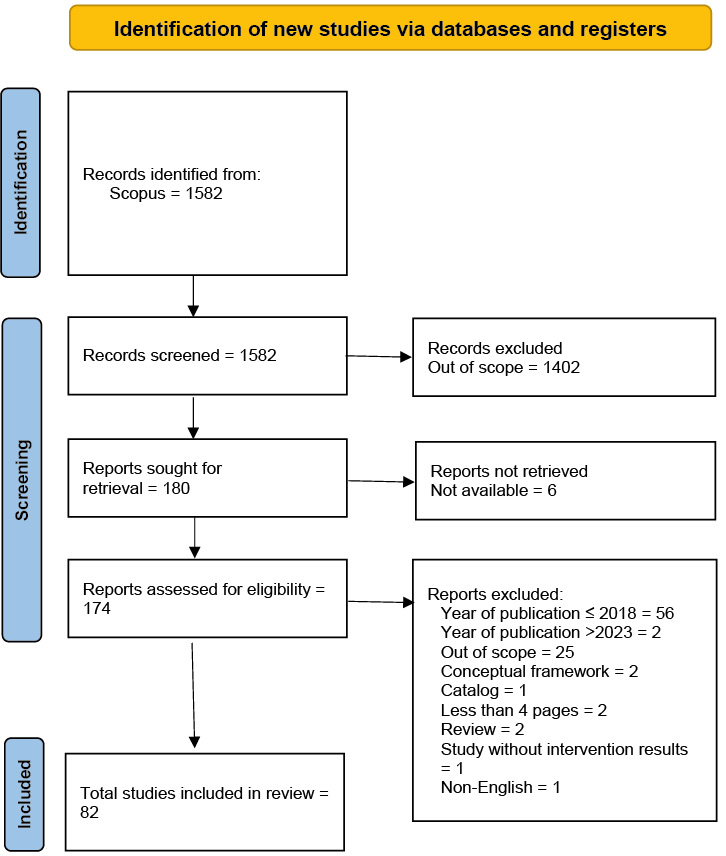
Figure 1 - PRISMA diagram: flowchart of the process for identifying and selecting studies for the systematic review
Source: Prepared by the authors
RQ1: What safety goals have gameful approaches been most frequently used for in studies on gameful approaches and patient safety?
In relation to the identified IPSGs, it is evident that Effective Communication emerges as the most frequently cited goal across the reviewed studies, both in explicit and implicit context. As referenced, safety goals were discerned that were articulated overtly as well as those that were alluded to more subtly within the literature, thus classifying them as implicit. When focusing solely on the explicit goals, the subsequent most prevalent goals following Effective Communication (N = 22), include the goal of reducing the risk of infection (N = 19) and improving medicine safety (N = 16). The latter goal also exhibits significant implicit presence (N = 15), thereby aggregating its occurrence to a total of 31 studies within this systematic review. Table 1 delineates the identified safety goals, explicit and implicit, respectively.
Table 1 - Identified Safety Goals
|
Explicit safety goals |
N |
Implicit Safety Goals * |
N |
|
Effective communication |
22 |
Unspecified (general reference to safety goals) |
35 |
|
Reduce risk of infections |
19 |
Improving medicine safety |
15 |
|
Improving medicine safety |
16 |
Safe Surgery |
8 |
|
Correct Patient Identification; Safe Surgery |
7 |
Reduce risk of care-associated infections |
6 |
|
Reduce the risk of harm to patients from pressure injuries and falls |
8 |
Correct Patient Identification; Reduce the risk of harm to patients from pressure injuries and falls |
3 |
|
Not Reported (NR) |
32 |
NR |
37 |
Source: Prepared by the authors
*Observation: implicit goals was identified subtly emerged within the studies
RQ2: Which areas were most identified in studies for the application of patient safety?
In this question, our objective was to identify the areas in which the studies can be applied and how often they appear in studies. Nurse / nursing education were the most cited area found in the publications (N = 28), followed by Emergence / emergency medicine (N = 15), medical education (N = 9), and surgery / surgical center (N = 8), among others. Table 2 presents the areas of application identified in the studies.
Table 2 - Areas of application of patient safety
|
Areas of application of patient safety |
N |
|
nurse / nursing education |
28 |
|
emergence / emergency medicine |
15 |
|
medical education |
9 |
|
surgery / surgical center |
8 |
|
intensive care unit; nr; nursery; patient safety teaching/training |
6 |
|
infection control; interprofessional teamwork / training / education |
5 |
|
acute care; cardiology |
4 |
|
cardiac life support; healthcare education; healthcare simulation; hospital; patient education; public health |
3 |
|
cognitive workload management; covid; inpatient units; learning; long term care; neonates / neonatal; pediatric oncology; pharmacology; pharmacy education; professional development |
2 |
|
ambulatory care; ambulatory; anaesthesiology; anesthesia simulation software; blood transfusion; burns management; cardiopulmonary resuscitation; children; clinical practice; community education; gastrointestinal; geriatrics; healthcare environments; home care; identification; iindigenous tribes; insufficient muscle relaxant medication; medication administration; medicine preparation; nephrology; obstetrics; orthogeriatrics; orthopaedic; outpatient/inpatient; paediatric resuscitation; pediatric patients; physical therapy education; plastic surgery education; prehospital care; personal protective equipment; prevent assisted falls; prototypical laparoscopic simulation; quality improvement; radiology; reporting of patient safety hazards; respiratory physioterapy; simulation education; sociotechnical system design; street; training; undetected bleeding; university; vaccination |
1 |
Source: Prepared by the authors
RQ3: What objectives were identified in relation to the proposed purpose for patient safety goals?
The objectives of the studies were classified and grouped according to their main purpose, generating 6 groups presented in Table 3. It indicates that the main purpose were Measuring impact on knowledge, skills, attitudes, and engagement (N = 29); followed by Create, test, or validate innovative games, apps, escape rooms, and educational resources (N = 25); Improving safe practices, reducing risks, and strengthening care protocols were the next objectives more cited (N = 14); Applying technologies to train technical skills or prepare emotionally is the next (N = 12); Develop and test platforms, simulations, and new approaches to digital teaching (N = 11) and Develop collaborative skills, clinical communication, and interprofessional simulation (N = 10). We can observe that some studies fall into more than one classification.
Table 3 - Thematic groups and main purpose identified in the included studies
|
Main Purpose |
N |
Studies |
|
|
Evaluating the Effectiveness of Active Strategies |
Measuring impact on knowledge, skills, attitudes, and engagement |
29 |
S2; S13; S16; S18; S19; S23; S28; S29; S31; S33; S35; S38; S42; S43; S44; S48; S51; S53; S55; S57; S58; S64; S65; S70; S72; S74; S75; S76; S79 |
|
Development of Serious Games and Educational Tools |
Create, test, or validate innovative games, apps, escape rooms, and educational resources |
25 |
S1; S3; S4; S5; S6; S8; S11; S14; S15; S22; S24; S25; S26; S30; S32; S34; S40; S45; S47; S50; S52; S63; S64; S71; S81 |
|
Patient Safety and Prevention Practices (includes IPC) |
Improving safe practices, reducing risks, and strengthening care protocols |
14 |
S7; S9; S10; S12; S17; S20; S27; S32; S36; S37; S39; S51; S54; S56 |
|
Immersive Technologies (VR/AR/MR) for Technical/Emotional Training |
Applying technologies to train technical skills or prepare emotionally |
12 |
S16; S40; S45; S46; S48; S53; S59; S62; S68; S73; S77; S78; S80 |
|
Usability of Simulated Environments and Digital Platforms |
Develop and test platforms, simulations, and new approaches to digital teaching |
11 |
S35; S38; S40; S42; S45; S54; S61; S66; S67; S69; S82 |
|
Communication and Interprofessional Teamwork |
Develop collaborative skills, clinical communication, and interprofessional simulation |
10 |
S13; S21; S31; S41; S42; S49; S51; S60; S65; S70 |
Source: Prepared by the authors
RQ4: Which game elements have been most commonly identified in studies on gameful approaches applied to patient safety?
The elements identified were categorized according to a well-established gamification terminology framework within the domain of health education. [19] This categorization encompasses informational elements (e.g., feedback, score, levels), structural elements (e.g., time pressure, progression, challenges), and narrative elements (e.g., storytelling, avatars, simulated environments).
Feedback is predominantly noted as the principal game element referenced in the included studies, with a cumulative total of 34 instances. The element “objective” is documented in 27 studies. Furthermore, narrative or narration is acknowledged in 26 studies, with storytelling being cited in 21 instances. These elements were conventionally implemented through performance notifications, articulated learning objectives, and contextual scenarios. In total, more than 40 distinct game elements were recognized across the studies. Among these were: time pressure, points, puzzles, scenarios, progress tracking, teamwork, challenges, avatars, choice-based options, cooperation, competition, scores, roles, quizzes, characters, goals, hints, leaderboards, decision-making paths, stages, missions, medals, and simulation of real-life tasks. Table 4 catalogs all the game elements identified within the studies.
Table 4 - Game Elements identified in the included studies
|
Game Elements |
N |
|
Feedback |
34 |
|
Objective |
27 |
|
Narrative or narration |
26 |
|
Storytelling |
21 |
|
Time, limited time, time pressure |
17 |
|
Puzzle, points |
15 |
|
Scenario/scene |
14 |
|
Progression/progress, teams or teamwork, avatar, challenges, NR |
13 |
|
Choice, multiple choice question, imposed choice |
12 |
|
Cooperation |
10 |
|
Competition, levels |
7 |
|
Scores, clues |
6 |
|
Roles |
5 |
|
Acknowledgement |
4 |
|
Decision, sensation, stats, tasks |
3 |
|
Quizzes, characters, goal, hint, interactive gameplay, leaderboards, problem-solving, renovation |
2 |
|
Cards, case, dialogue, login, medals, mission, multiplayer, novelty, pathways, rewards, riddle, rounds, rules, simulate real-life, stages, trials |
1 |
Source: Prepared by the authors.
Discussion
This systematic review shows that gameful approaches are gaining space in health education, especially in training related to patient safety (see Figure 2). But, despite the potential of gamification, most studies lacked a clear connection with the IPSGs. The goals were mentioned implicitly, such as communication and medication safety, but rarely used as a structured reference to guide design or evaluation (see Table 1). [3,4] This weakens the link between the educational experience and the real-world objectives expected by healthcare institutions. Additionally, most interventions were developed for specific professional groups, especially nursing [9,20-22], with limited inclusion of multiprofessional or interdisciplinary teams. Since patient safety requires shared responsibility and communication among different professionals [23], future studies should explore how gamified learning can support team-based care and integration across services.
Regarding the areas the studies applied we identified that Nurse or nursing education and emergence or emergency medicine and medical education were the most cited areas found in the publications (see Table 2). As mentioned in the previous paragraph, most interventions were developed especially for nursing [9, 20-22], but subsequently it also includes applications in emergency medicine and medical education. According to the literature, the application of gamification in medical education has been growing [24], mainly because it can make learning more effective and more engaging for professors, students, and patients [25,26].
Among the 82 studies included, the main purpose found in the studies were create, test or validate innovative games, apps, escape rooms, and educational resources and in sequence, measuring impact on knowledge, skills, attitudes, and engagement. They appeared 22 and 21 times, respectively. It is observed that the creation, testing, and validation of new applications appear more often than the measurement of the impact on knowledge and skills, attitudes, and engagement within the thematic group of evaluating the effectiveness of active strategies. However, considering the theme developed by this systematic review, regarding the adoption of playful approaches for implementing patient safety goals, this second group would possibly be more relevant in the practice of safety goals. And only in the third group do objectives related to improving safe practices, reducing risks, and strengthening care protocols appear. The next, develop collaborative skills, clinical communication, and interprofessional simulation, it is fundamental for patient safety.
Another significant discovery pertains to the integration of gamification elements. Feedback, objectives, and storytelling emerged as the predominant components within the interventions (refer to Table 3), thereby corroborating prior findings documented in existing literature. [27,28] These elements are well-established as factors that enhance clarity, foster motivation, and promote immersion in educational experiences. Nevertheless, the review indicated that the majority of studies failed to articulate the rationale behind their selection of these components or the anticipated impact on behavioral outcomes. A limited number of studies employed theoretical frameworks from health education or behavior modification to inform their design processes. This deficiency in a conceptual underpinning diminishes the comparability among various interventions and complicates the assessment of which specific mechanisms yield superior results. There exists a pronounced necessity to implement validated theoretical frameworks and to report design decisions with greater transparency and consistency.
The methodological quality of the studies was also a concern. Most of them used quasi-experimental or descriptive designs, with no control groups and limited statistical analysis. Very few studies have conducted randomized controlled trials or longitudinal assessments. In addition, the majority of outcomes evaluated were based on self-reported perceptions, satisfaction, or short-term knowledge tests. Few studies examined actual behavior change, long-term retention, or application of skills in clinical practice. This weak evidence base limits the conclusions about effectiveness and the generalization of the interventions. Without stronger study designs and reliable outcome measures, the field may continue producing tools that look promising but have limited real-world impact [29].
Another limitation observed was the narrow range of technologies used. Although virtual reality and simulations were common, mobile platforms and game-based applications were rarely used. This is surprising considering the growing presence of smartphones in clinical environments and the potential of mobile learning to support just-in-time training. [30] The lack of mobile strategies represents a missed opportunity for creating accessible and scalable interventions. Future research should explore how gameful tools can be delivered through mobile devices and adapted to the routines of healthcare workers, especially in busy or resource-limited settings.
This review contributes to the field by mapping the current use of gameful strategies in patient safety education and by identifying important gaps in design, evaluation, and application. It shows that, although there is growing interest, the quality and focus of many studies are still limited. The lack of theoretical foundation, strong evidence, and alignment with patient safety goals reduces the potential of gamified interventions to generate lasting change. For future progress, it is essential to invest in robust research designs, clear pedagogical objectives, and better integration with institutional safety programs. These steps will be important for turning promising educational games into effective tools that improve care and reduce harm.
Limitations and potential validity threats must be acknowledged. Although rigorous inclusion criteria were applied, focusing on peer-reviewed empirical studies in English within a defined period, relevant research may have been omitted. Studies in other languages or gray literature could provide valuable perspectives not captured here. Relying solely on the Scopus database, while practical and consistent with common practice, may have excluded studies indexed elsewhere or in non-indexed venues. Similarly, restricting the review to 2019–2023 may have omitted earlier foundational work or recent developments relevant to understanding gameful interventions in patient safety.
The search strategy’s comprehensiveness also presents a limitation. Variability in terminology, such as differing uses of gameful design, gamification, or serious games, may have caused some studies to be overlooked. Although the PRISMA framework ensured methodological rigor and transparency, synthesizing and interpreting diverse implementations inevitably involves some subjectivity. Finally, the findings’ generalizability is limited by the specific focus on patient safety. While insights may inform broader healthcare applications, conclusions should be extended cautiously due to differences in healthcare systems, populations, and gameful design implementations.
Regarding analytical methodology, we acknowledge that thematic synthesis of study objectives employed artificial intelligence as an analytical tool. While this approach offers advantages for pattern identification across large qualitative datasets, it may introduce limitations including potential AI-training-data bias and lack of formal inter-rater reliability assessment. These limitations were mitigated through systematic review and validation of AI output by the research team. This transparent acknowledgment reflects our commitment to methodological rigor in an era of increasing AI-assisted research.
Conclusion
In this study, we investigated a critical evaluation of the most recent evidence on the application and effects of external gameful strategies for patient safety in health contexts. This systematic review demonstrates that gamification is an emerging practice that adds educational value in the field of patient safety, particularly in nursing education and the development of communication skills. Established patterns – a focus on effective communication, application in structured learning environments, and grounding in validated instructional principles such as clear objectives and feedback – provide a solid foundation for future research and targeted adoption.
However, the field stands at a critical juncture. Educational efficacy – the ability to increase engagement, knowledge, and skill practice – is not sufficient justification for widespread adoption in high-stakes clinical domains where patient safety is at stake. The necessary next step is clinical translation research: rigorous studies assessing whether gamified interventions effectively reduce actual adverse events, sustained behavior change in real-world clinical environments, and enable cost-effective, large-scale implementation.
By following a research roadmap – advancing systematically from studies on mechanisms and comparative effectiveness to implementation science – the field can evolve from validating promising prototypes toward establishing evidence-based, clinically meaningful safety interventions. This progression will require sustained investiment, cross-disciplinary collaboration, and honest appraisal of both positive and negative findings.
The potential of gamification for patient safety is real. So too are the scientific requirements needed to demonstrate its clinical impact. Meeting those requirements is the field’s next fundamental task.
Declaration on the Use of Artificial Intelligence
This manuscript involved the use of Artificial Intelligence tools to realize the thematic synthesis of study objectives and to support text refinement, grammatical revision, linguistic organization, and compliance with editorial and formatting guidelines, in accordance with current institutional policies. All analyses, interpretations, critical reflections, and the scientific content presented are the sole responsibility of the authors.
Conflict of Interest
The authors declare that there are no conflicts of interest.
Funding
This study received no funding.
Authors’ Contributions
Conceptualization and study design: Jericó MC; Manuscript drafting: Ralio VRZ, Scrochio DB, Poli CCS, Nardi GC; Critical revision of the manuscript for important intellectual content: Jericó MC.
References
1. Kalsoom, Z., Victor, G., Virtanen, H., & Sultana, N. What really matters for patient safety: Correlation of nurse competence with international patient safety goals. Journal of Patient Safety and Risk Management. 2023; 28(3): 108–115.
2. Makary, M. e Daniel, M. Erro médico — a terceira principal causa de morte nos EUA. British Medical Journal. 2016. https://doi.org/10.1136/bmj.i2139.
3. Organization, W. H. Global patient safety action plan 2021-2030: Towards eliminating avoidable harm in health care. 2021.
4. Joint Commission International. International patient safety goals. 2023. [Accessed June 7, 2025]. https://www.jointcommissioninternational.org/standards/international-patient-safety-goals/
5. Coughlin, Vincenza; Ho, Mary Rose; Alvarez, Guisela. Escape the Room! Utilizing Gamification in a Preceptor Training Workshop. Journal for Nurses in Professional Development. 2024; 40(1): p 41-44. https://doi.org/10.1097/NND.0000000000000977
6. Mahmoud, H. A., Thavorn, K., Mulpuru, S., McIsaac, D., Abdelrazek, M. A., Mahmoud, A. A., & Forster, A. J. Barriers and facilitators to improving patient safety learning systems: A systematic review of qualitative studies and meta-synthesis. BMJ Open Quality. 2023 Apr; 12(2): e002134. doi: 10.1136/bmjoq-2022-002134. PMID: 37012003; PMCID: PMC10083845.
7. Mair, J. L., Salamanca-Sanabria, A., Augsburger, M., Frese, B. F., Abend, S., Jakob, R., Kowatsch, T., & Haug, S. Effective behavior change techniques in digital health interventions for the prevention or management of noncommunicable diseases: An umbrella review. Annals of Behavioral Medicine, 2023 Sep; 57(10): p 817-835. doi: 10.1093/abm/kaad041. PMID: 37625030; PMCID: PMC10498822.
8. Högberg, J., Hamari, J., & Wästlund, E. Gameful experience questionnaire (gamefulquest): An instrument for measuring the perceived gamefulness of system use. User Modeling and User-Adapted Interaction. 2019; 29(3): 619–660. DOI: https://doi.org/10.1007/s11257-019-09223-w
9. Chang, Y.-S., Hu, S. H., Kuo, S.-W., Chang, K.-M., Kuo, C.-L., Nguyen, T. V., & Chuang, Y.-H. Effects of board game play on nursing students’ medication knowledge: A randomized controlled trial. Nurse Education in Practice. 2022; 63: p. 103412.
10. May, J. E., Anderson, E., Clark, D., & Hull, J. Gamification in biomedical science education: The successful implementation of resimion, a scenario-based learning tool. British Journal of Biomedical Science. 2023; 80: p. 11756.
11. Pangandaman, H. K., Datumanong, N. T., Diamla, M. R. L., Raki-in, R. M., Hayudini, M. A. A., Amil, J. H., Alih, S.-A. J., Iskandal, I. I., Abduhadi, A.-R. A., Tan, A. R. A., & Warid-Sahial, A. P. Gamification in nursing education: A systematic review of its impact on knowledge retention and skills development among novice nursing students. Cuestiones de Fisioterapia. 2025; 54(5): 275–293. https://doi.org/10.48047/r37mrr91.
12. Wang, Y.-F., Hsu, Y.-F., Fang, K.-T., & Kuo, L.-T. Gamification in medical education: Identifying and prioritizing key elements through delphi method. Medical Education Online. 2024; 29(1): p. 2302231
13. Page, M. J., McKenzie, J. E., Bossuyt, P. M., Boutron, I., Hoffmann, T. C., Mulrow, C. D., Shamseer, L., Tetzlaff, J. M., Akl, E. A., Brennan, S. E., Chou, R., Glanville, J., Grimshaw, J. M., Hr´objartsson, A., Lalu, M. M., Li, T., Loder, E. W., Mayo-Wilson, E., McDonald, S., Moher, D. The prisma 2020 statement: An updated guideline for reporting systematic reviews. International journal of surgery. 2021; 88: p. 105906.
14. Gusenbauer, M. Search where you will find most: Comparing the disciplinary coverage of 56 bibliographic databases. Scientometrics. 2022; 127 (5), 2683–2745. https://doi.org/10.1007/s11192-022-04289-7.
15. AlRyalat, Saif Aldeen S., Malkawi Lna W., Momani Shaher M. Comparing Bibliometric Analysis Using PubMed, Scopus, and Web of Science Databases. Journal of visualized experiments. 2019; 152. doi:10.3791/58494
16. Falagas, Matthew E., Pitsouni, Eleni I., Malietzis, George A., Pappas, Georgios. Comparison of PubMed, Scopus, Web of Science, and Google Scholar: strengths and weaknesses. The FASEB Journal. 2007, 22 (2), pp. 338–342. doi: 10.1096/FJ.07-9492LSF.
17. Tarazi Alaa. Comparative Analysis of the Bibliographic Data Sources Using PubMed, Scopus, Web of Science, and Lens: Comparative Analysis of Bibliographic Data Sources. High Yield Medical Reviews. 2024; 2(1). https://doi.org/10.59707/hymrUNHW4628.
18. Richardson, W. S., Wilson, M. C., Nishikawa, J., & Hayward, R. S. (). The well-built clinical question: A key to evidence-based decisions. ACP journal club. 1995; 123(3): A12–3.
19. Toda, A. M., Klock, A. C. T., Oliveira, W., Bittencourt, I. I., & Isotani, S. Analysing gamification elements in educational environments using an existing gamification taxonomy. Smart Learning Environments. 2019; 6(1): 16. https://doi.org/10.1186/s40561-019-0106-1.
20. Saastamoinen, T., Härkänen, M., Vehviläinen-Julkunen, K., & Näslindh-Ylispangar, A. Impact of 3d simulation game as a method to learn medication administration process: Intervention research for nursing students. Clinical Simulation in Nursing. 2022; 66: 25–43
21. Sterner, A., Sköld, R., & Andersson, H. Effects of blended simulation on nursing students’ critical thinking skills: A quantitative study. SAGE open nursing. 2023; 9: 23779608231177566.
22. Vestal, M. E., Matthias, A. D., & Thompson, C. E. Engaging students with patient safety in an online escape room. Journal of Nursing Education. 2021; 60(8): 466–469.
23. L. Gleeson, L., O’Brien, G., O’Mahony, D., & Byrne, S. Interprofessional communication in the hospital setting: A systematic review of the qualitative literature. Journal of interprofessional care. 2023; 37(2): 203–213.
24. Xu H, Man Y.N., Liu S.M., Sun Y., Zhong L.Y., He M.L. Looking to the future through data: The rise and potential of gamification in medical education - A bibliometric analysis from 2000 to 2024. Medicine (Baltimore). 2025, Dec 12; 104(50).
25. Pawar, Vikas V.; Pawar, Dhairyasheel, Gamification in medical education: A new approach. Oral Oncology Reports. 2024; Volume 9. https://doi.org/10.1016/j.oor.2024.100209.
26. Banerjee, Bibhas; Chaudhuri, Gautam; Samashaptak, Samashaptak; Bhattacharyya, Sukanti. Orientation and application of gamification as teaching learning method by medical physiologists in India. National Journal of Physiology Pharmacy and Pharmacology. 2024; 14: 1180-1186.
27. Almutairi, A. M. A systematic review of catching and comparing the most valuable gamification elements used in online learning. Edelweiss Applied Science and Technology. 2024; 8(4): 2181–2201.
28. Aster, A., Laupichler, M. C., Zimmer, S., & Raupach, T. Game design elements of serious games in the education of medical and healthcare professions: A mixed-methods systematic review of underlying theories and teaching effectiveness. Advances in Health Sciences Education. 2024; 29(5): 1825–1848.
29. Andersson, M., Boateng, K., & Abos, P. Validity and reliability: The extent to which your research findings are accurate and consistent. 2024. https://www.researchgate.net/publication/384402476_Validity_and_Reliability_The_extent_to_which_your_research_findings_are_accurate_and_consistent.
30. Lee, C.-Y., Lee, C.-H., Lai, H.-Y., Chen, P.-J., Chen, M.-M., & Yau, S.-Y. Emerging trends in gamification for clinical reasoning education: A scoping review. BMC Medical Education. 2025; 25(1): p. 435.
